Owl conservation in Poland, 2026
Under the wings of science. Owl ringing takes only a short time, but its significance extends over many years. A small metal ring placed on a Little Owl or a Long-eared Owl makes it possible to identify an individual bird, track its movements, determine its breeding site, assess its survival, and evaluate the effectiveness of conservation measures. For ornithologists, it is a precise tool for research and species protection. In Poland, the survival of the Little Owl depends heavily on people: on leaving tree cavities intact, installing nest boxes, and preserving a mosaic of fields, meadows, and old trees. And the last of these is becoming increasingly difficult.
Behind many such efforts are people who place the mission and fieldwork above rest and personal comfort. One of them is Edwin Siwek: a dedicated owl conservationist, bird ringer, and someone for whom night surveys, installing nest boxes, and climbing to high nesting sites are all part of steady, hands-on work for nature conservation. When a nest box needs to be installed, a brood checked, or a nest reached safely, he uses climbing equipment and experience that require not only knowledge, but also strength, composure, and very good physical fitness. In owl conservation, this kind of commitment is especially important. A nest box placed in the right location can replace a lost tree cavity, and a ring fitted to a young owl can, years later, tell the story of its survival. Edwin Siwek devotes his free time to this passion and carries out his work as part of the Owl Conservation Association in Poland.
The ring placed on a bird’s leg carries an individual number. It is lightweight, selected according to the species and size of the bird, and, when fitted correctly, does not interfere with the owl’s movement, hunting, or later ability to raise young. The ringing itself takes only a short time. An experienced bird ringer takes the bird out of the nest or nest box, checks its condition and age, takes measurements, records the location and date, and then returns the animal to its home.
The Little Owl, Athene noctua, is a small owl of agricultural landscapes, associated with open areas, pastures, low vegetation, old orchards, pollarded willows, and rural buildings. In the past, it used natural cavities in old trees, gaps in buildings, and ventilation openings. Today, many of these places are disappearing: trees are being cut down, buildings are being renovated and sealed, and the countryside is losing the old features that provided owls with shelter for decades. That is why owl conservation begins with identifying sites where nest boxes can be installed and later monitored. A nest box alone will not solve the problem if there is no suitable feeding habitat around it. The Little Owl needs low vegetation and places from which it can perch and watch for prey. The Long-eared Owl, Asio otus, is more common in Poland than the Little Owl, but no less interesting. It does not build its own nests. Instead, it uses abandoned nests of corvids and birds of prey. Its presence is often revealed by the young: after leaving the nest, they can be heard calling loudly to their parents in the evenings.
In both cases, for Little Owls and Long-eared Owls, ringing is part of a much larger picture. It only makes sense when combined with monitoring, habitat protection, conversations with local residents, cooperation with landowners, education, and responses to threats. This is especially important in a world where nature is increasingly fragmented by infrastructure and tidied up according to human ideas of aesthetics. That is why bird ringing should be seen not as interference driven by curiosity, but as a responsible method of collecting data. When carried out properly, it is only a brief episode in a bird’s life, yet it can provide information needed to protect an entire population.
The photographs below were taken during Edwin’s meeting with staff from the International Institute of Molecular and Cell Biology in Warsaw. During the meeting, we had the opportunity to learn about the realities of his work and to ring nine Little Owls and one Long-eared Owl (May 2026).
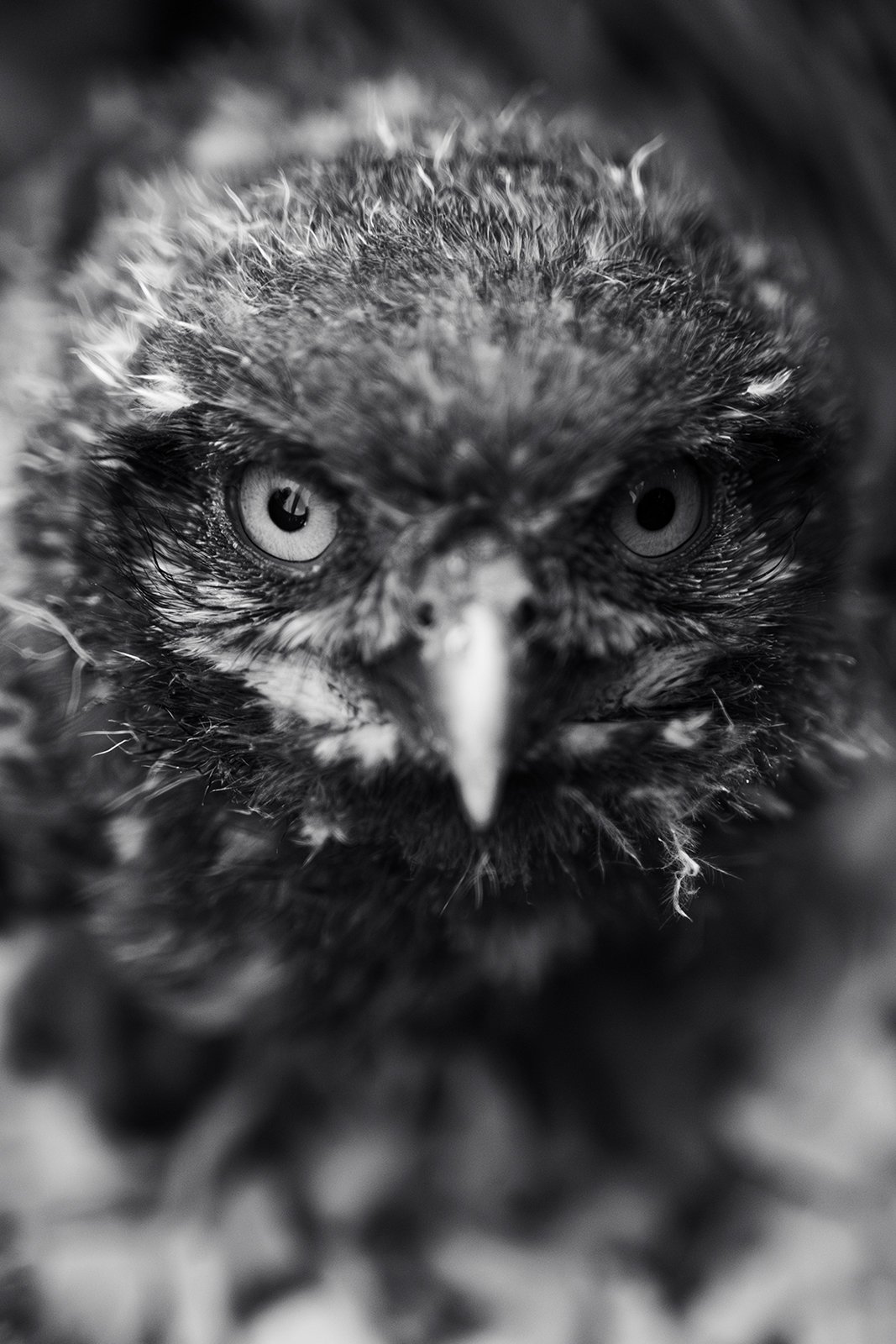
A young little owl after ringing
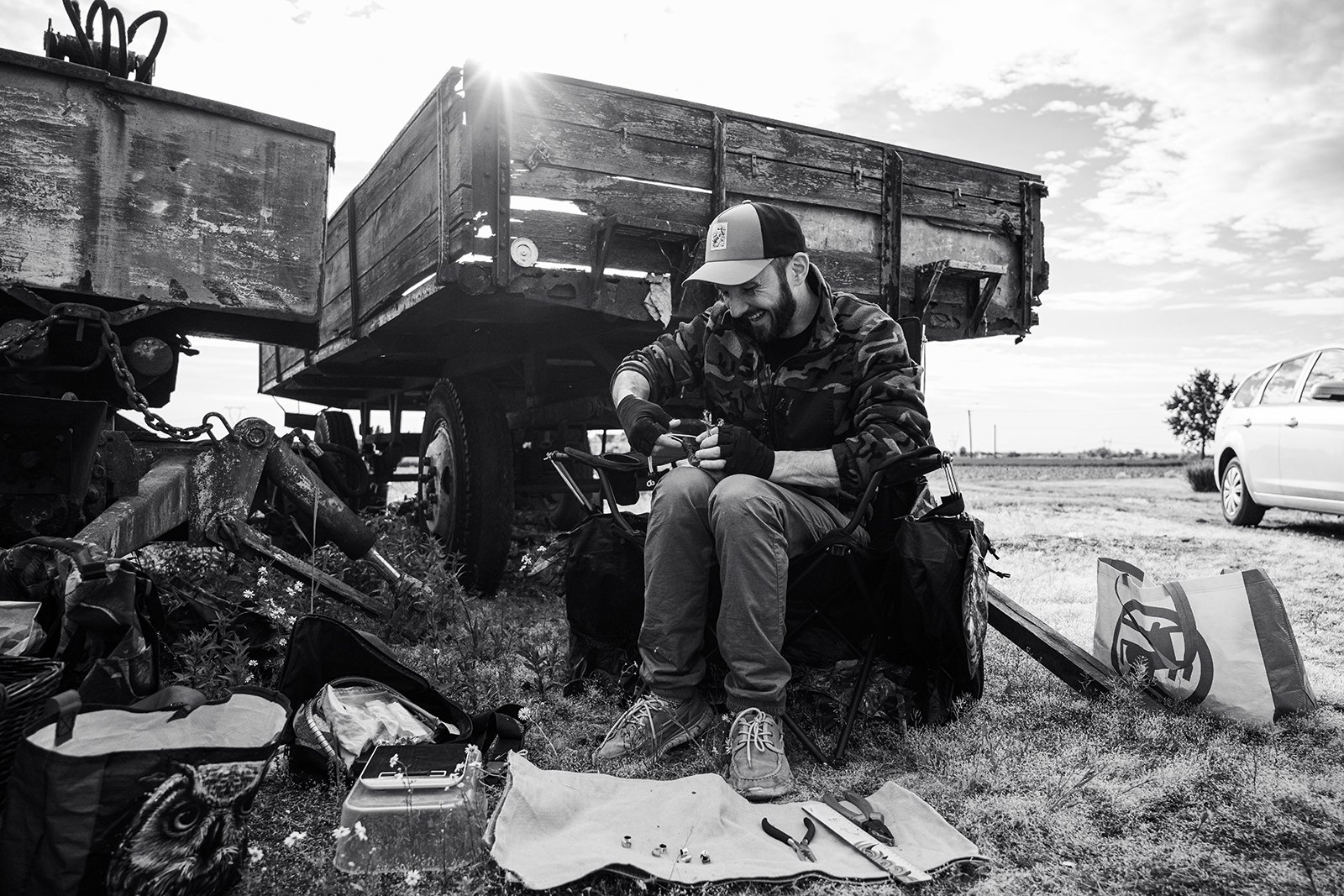
Edwin Siwek carrying out fieldwork
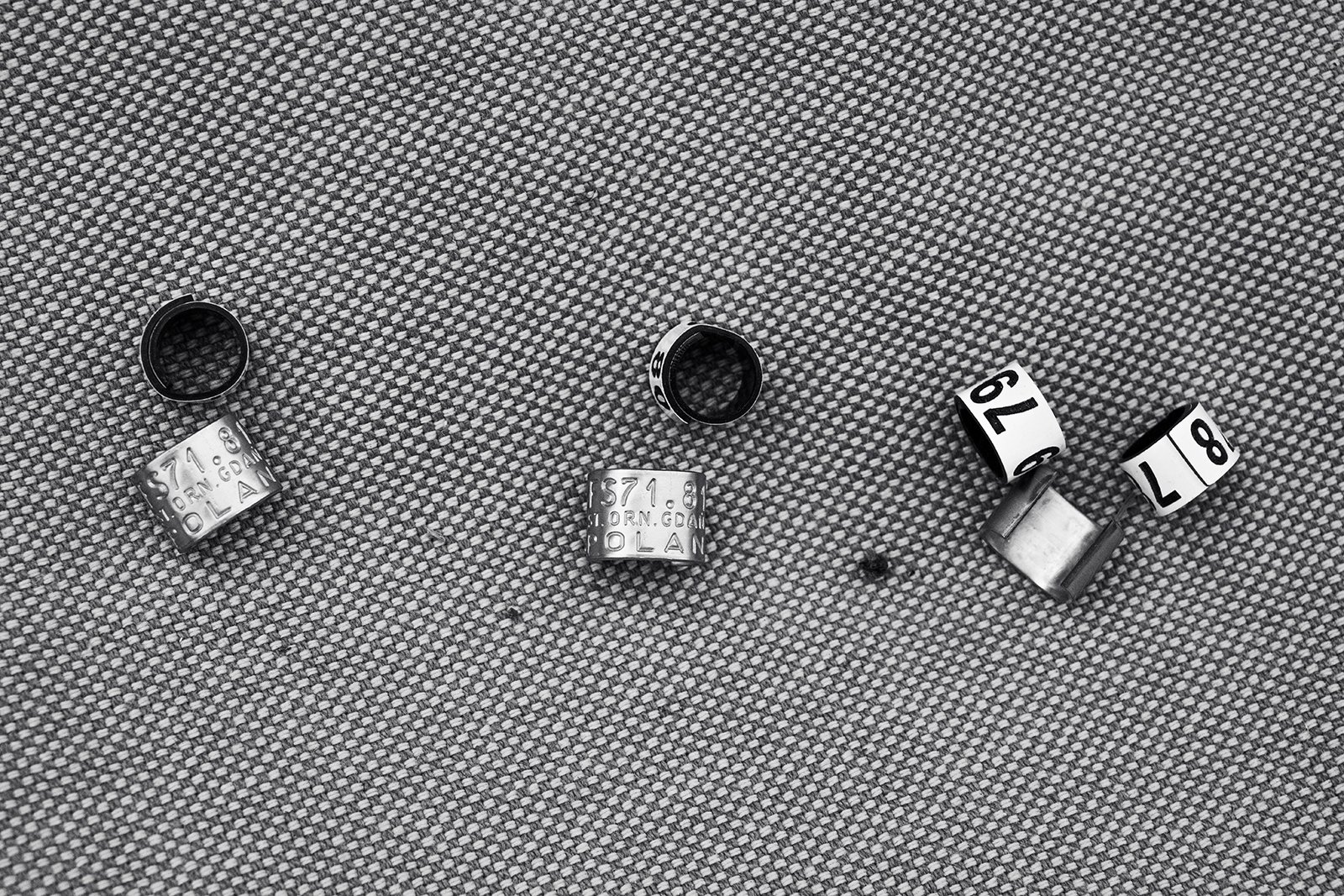
Bird rings
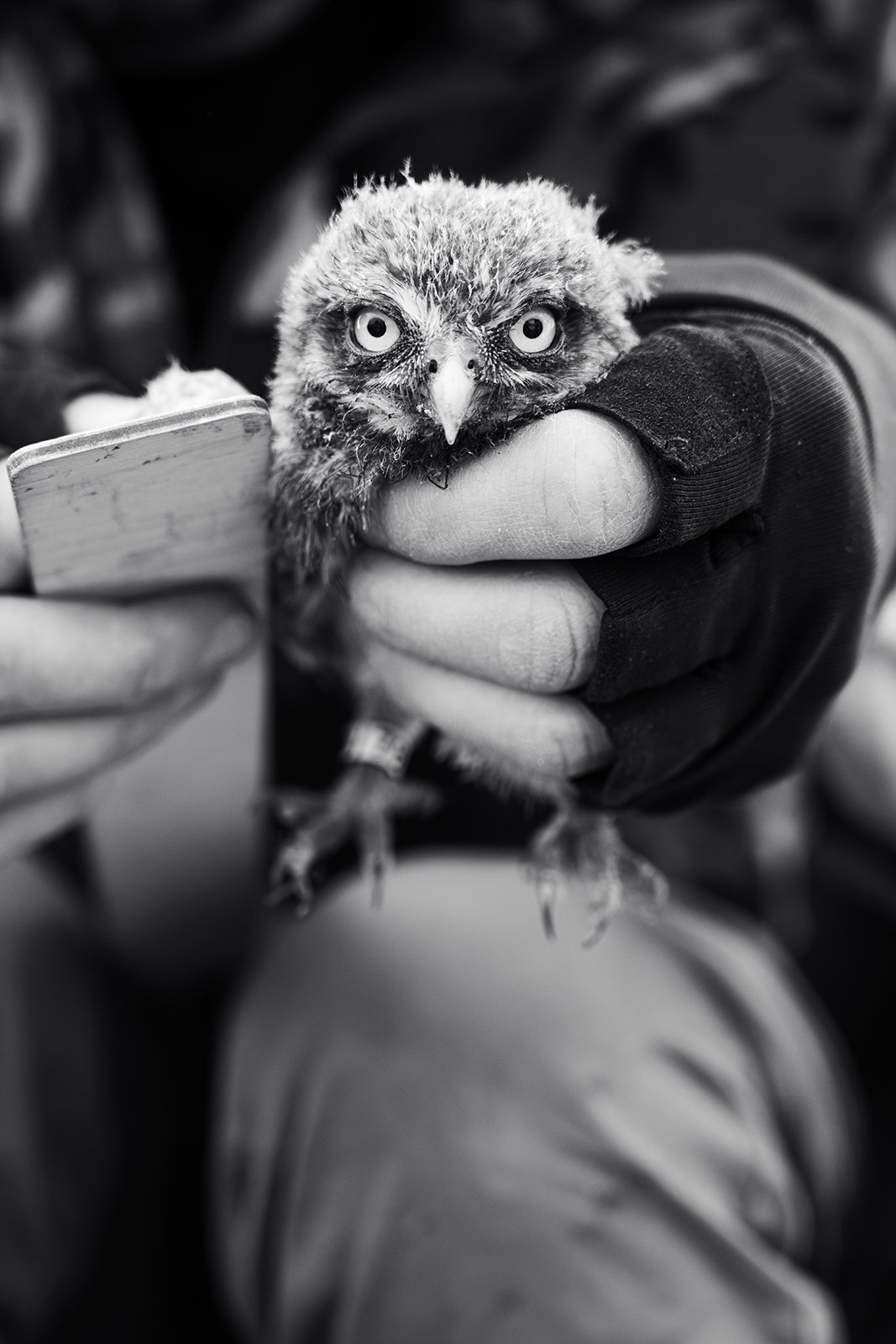
Wing length measurement
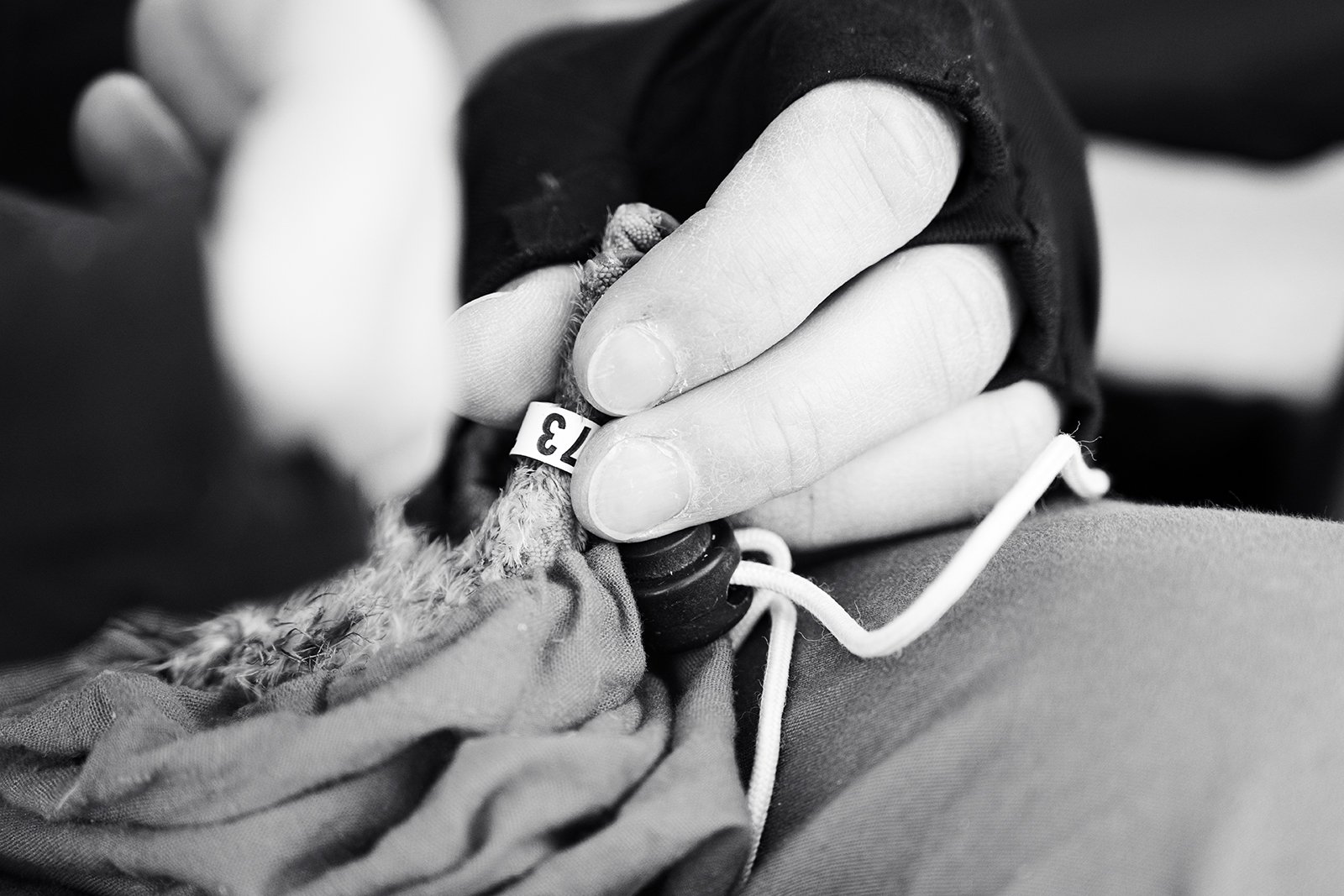
Fitting a bird ring
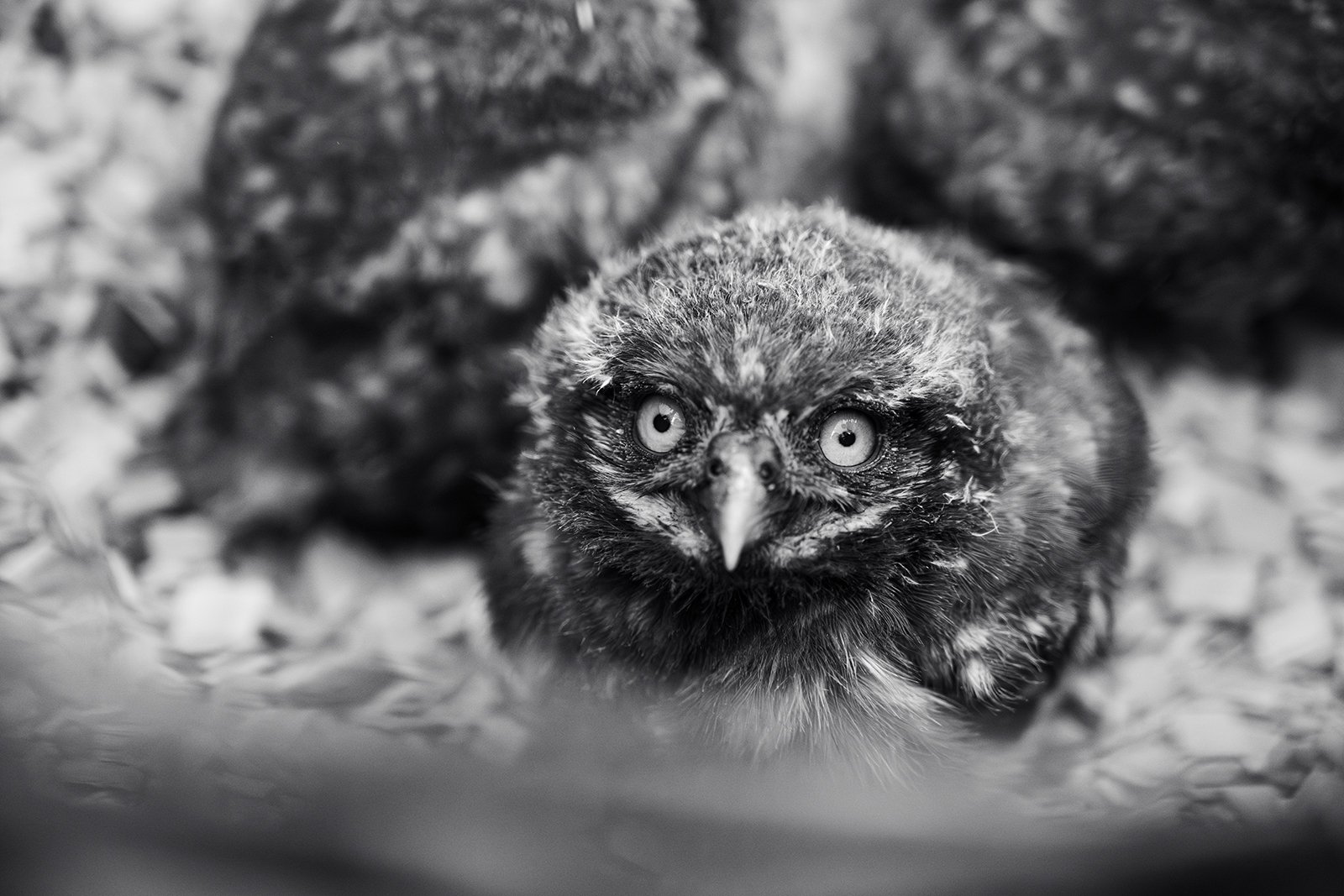
Waiting its turn
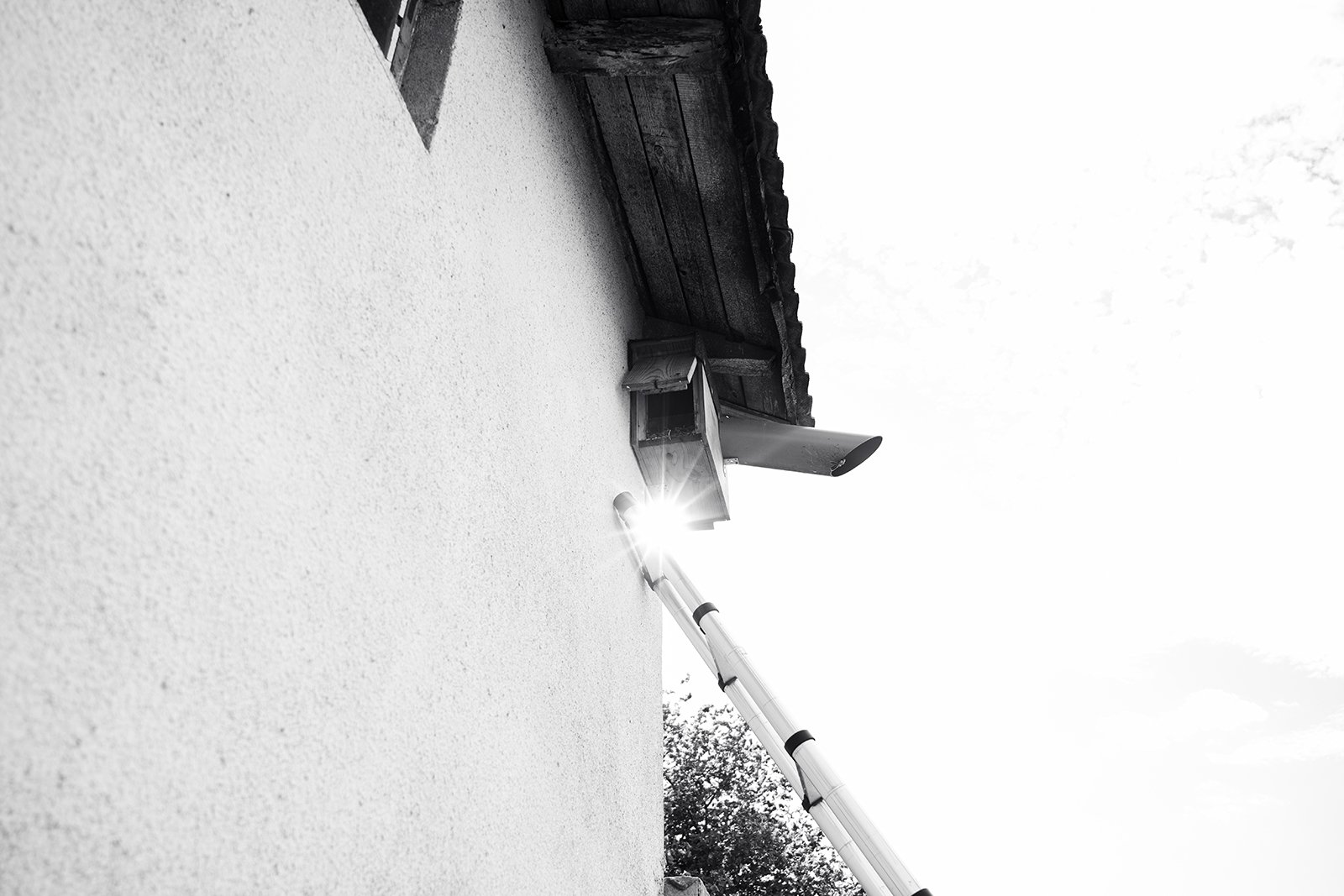
Nesting box
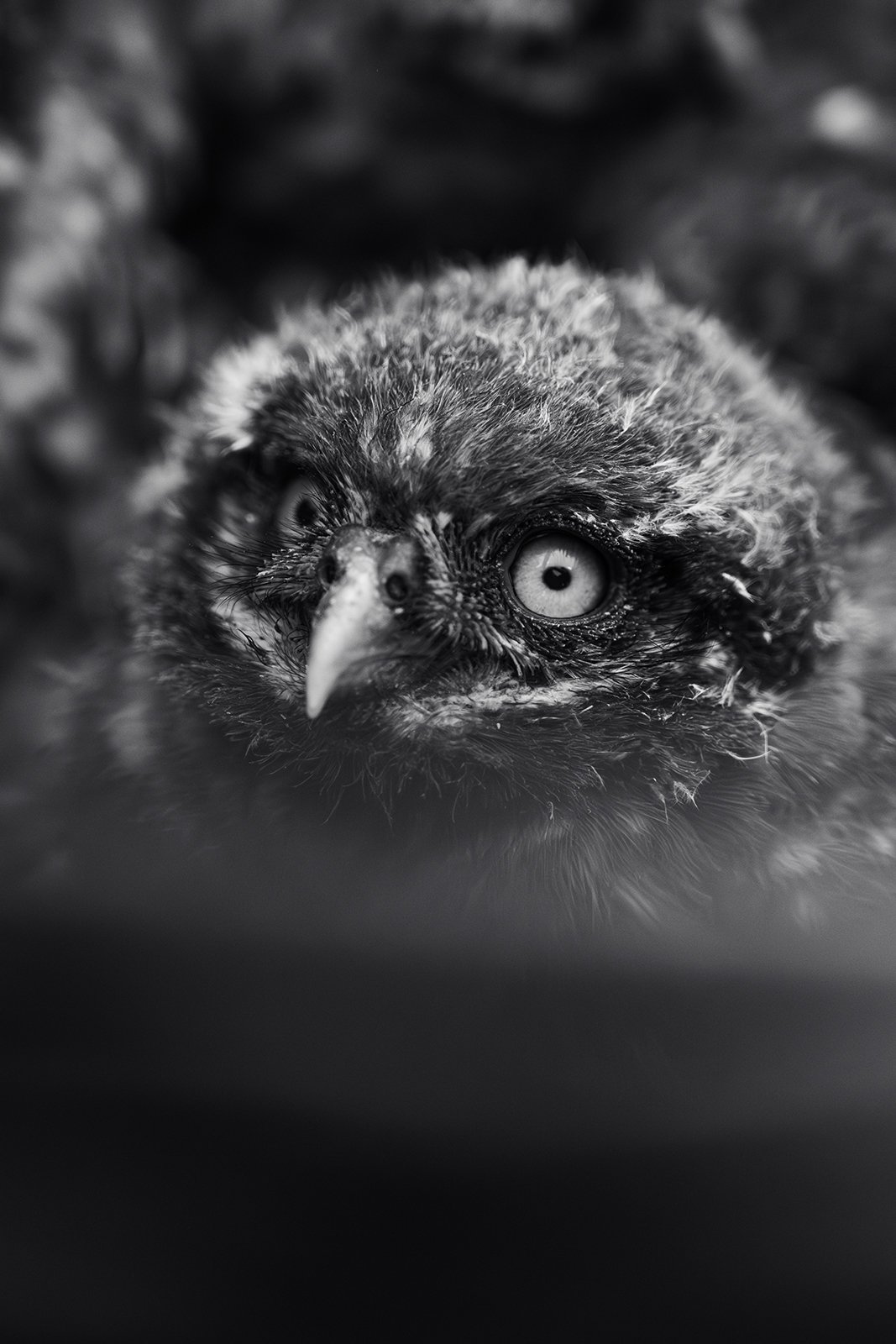
Close-up of a young little owl
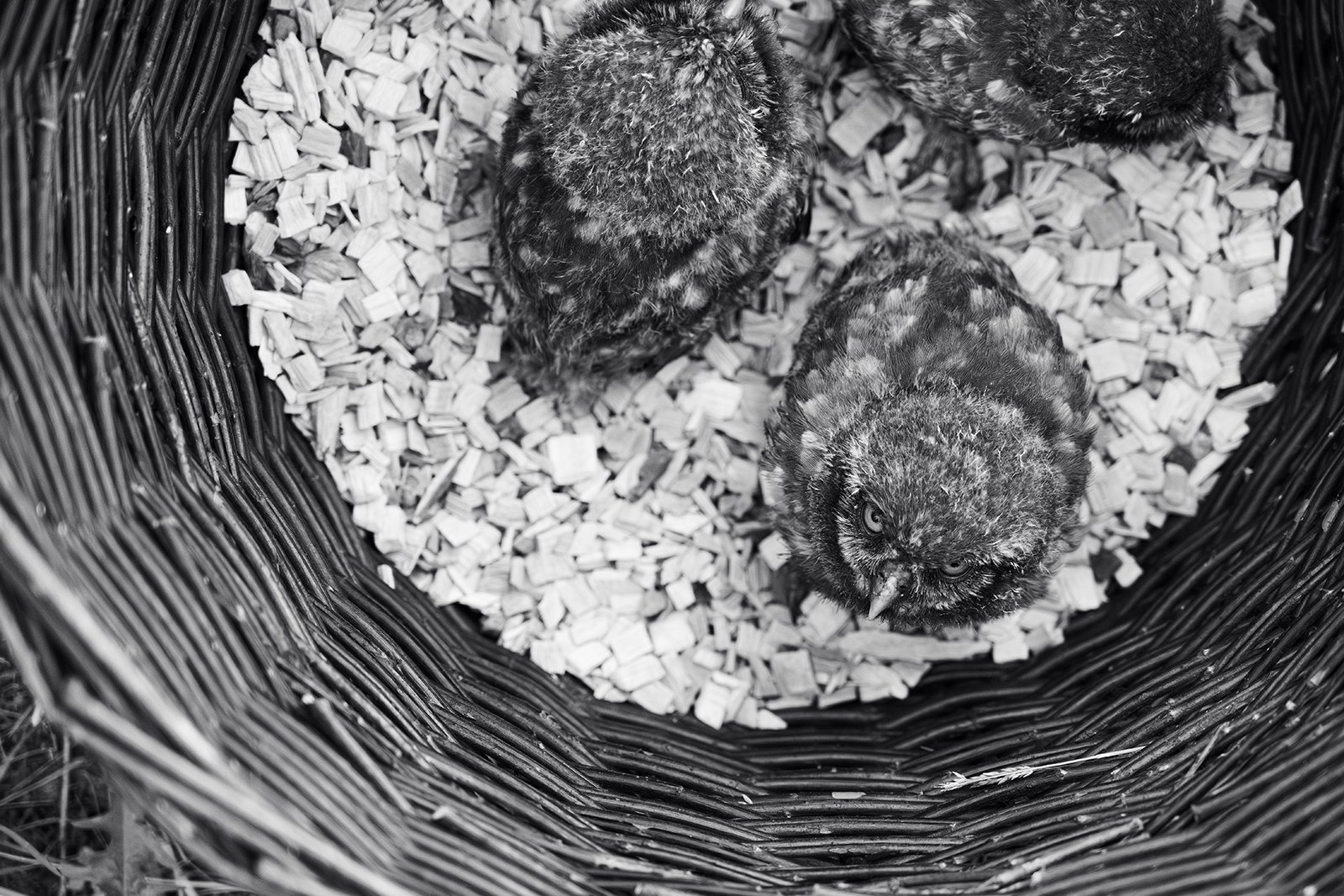
Young little owls in a basket, waiting to be ringed
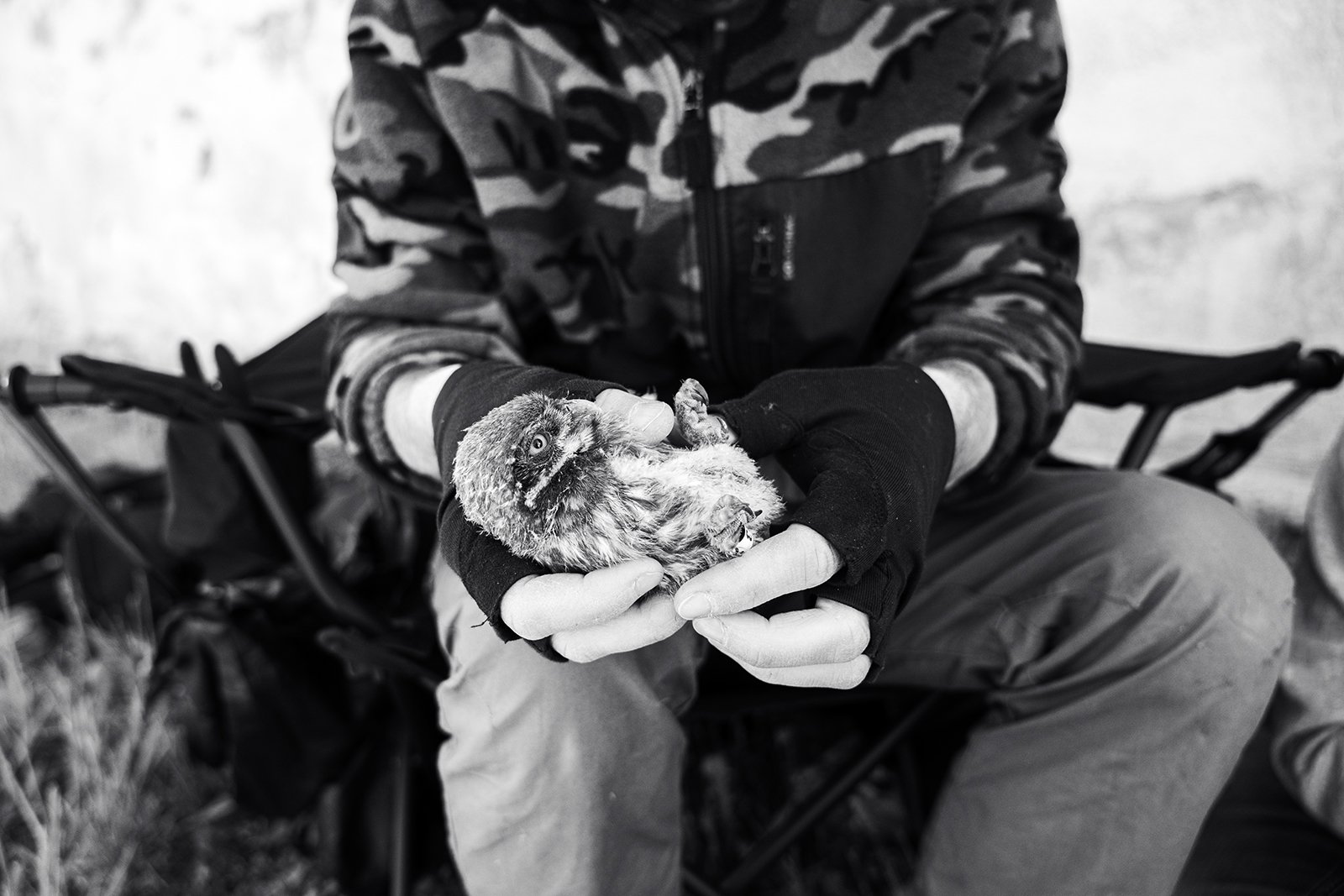
A little owl being ringed
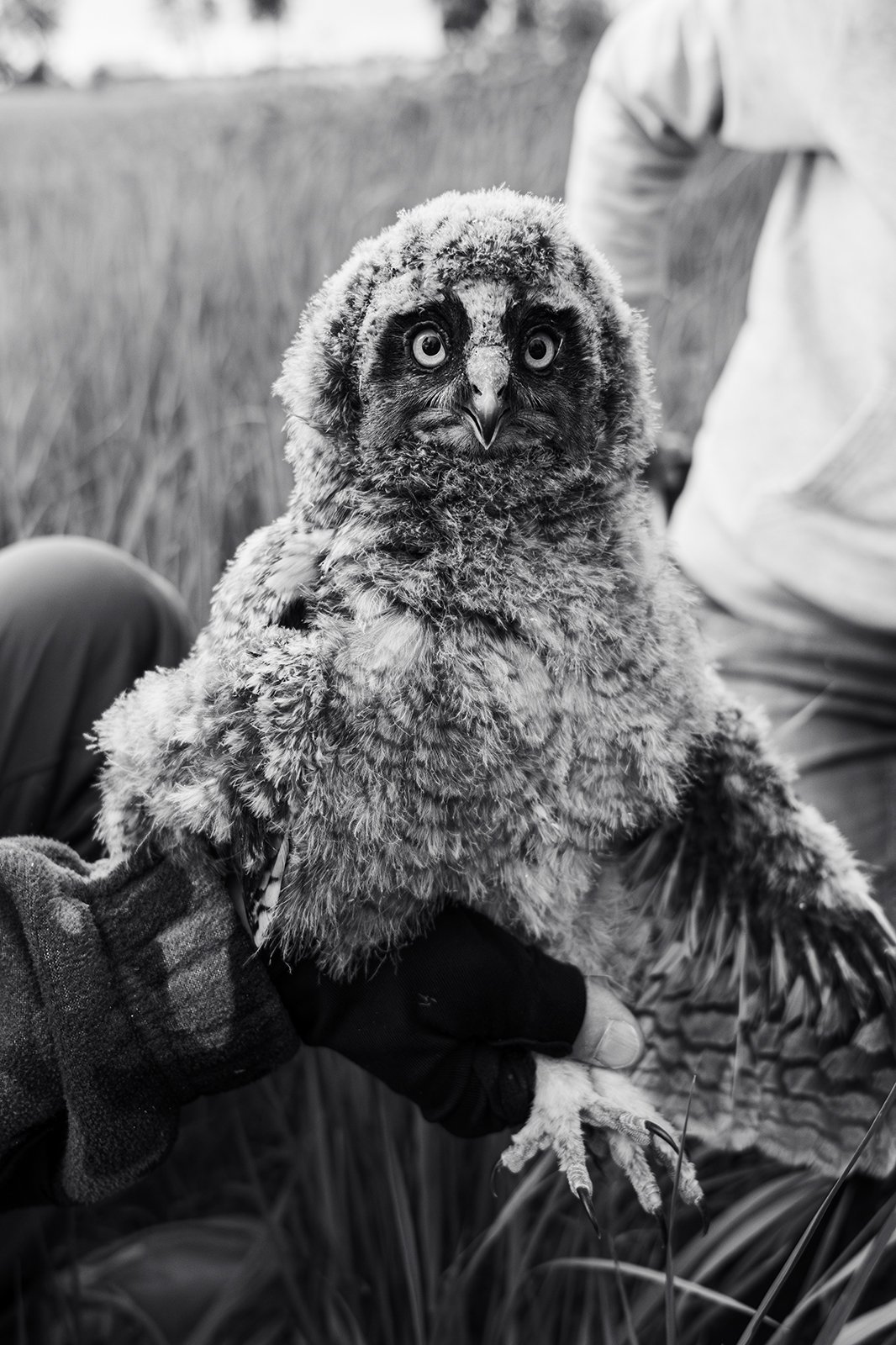
Young long-eared owl
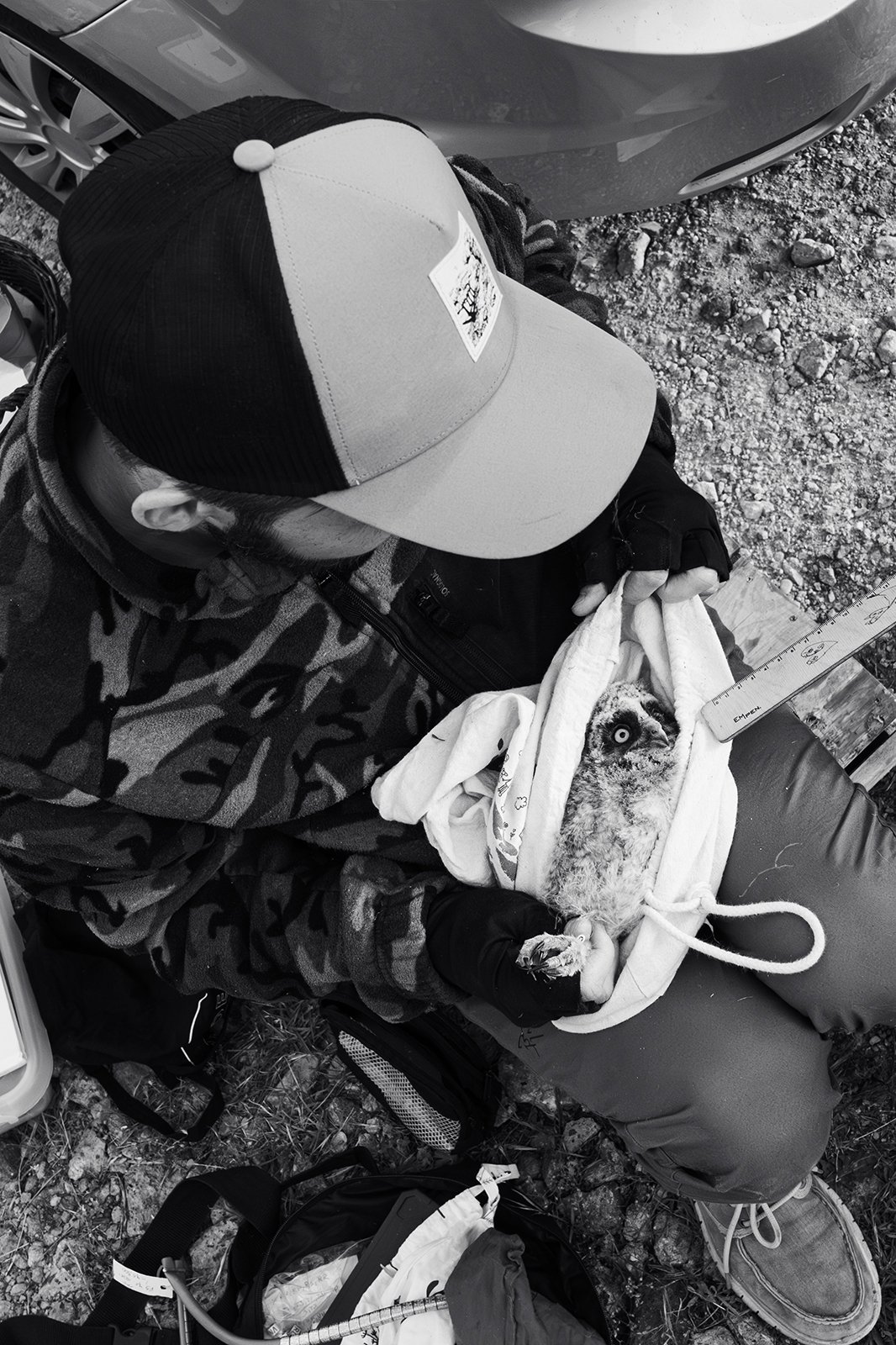
This young long-eared owl is clearly making itself comfortable ☺︎
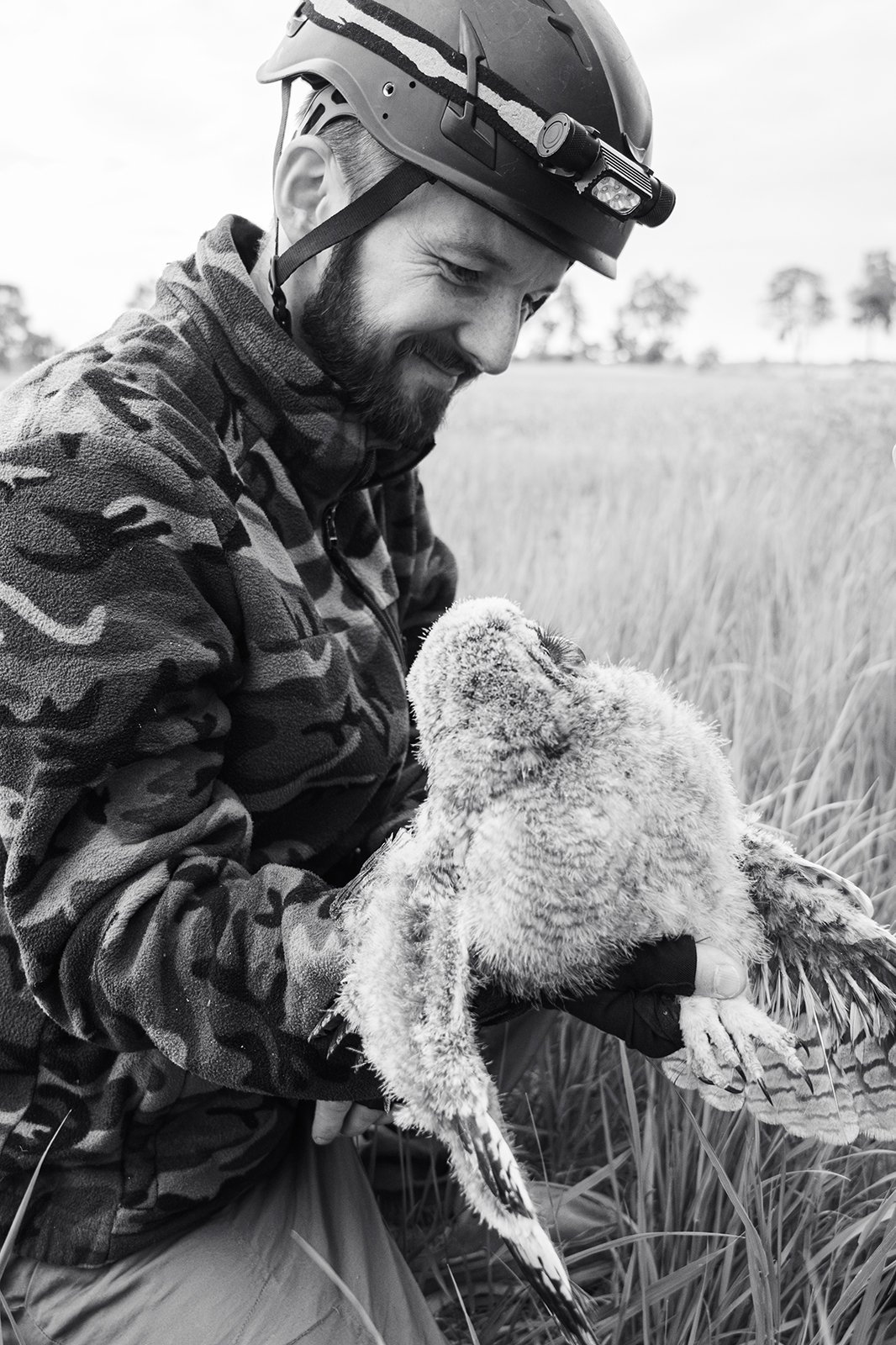
One last look
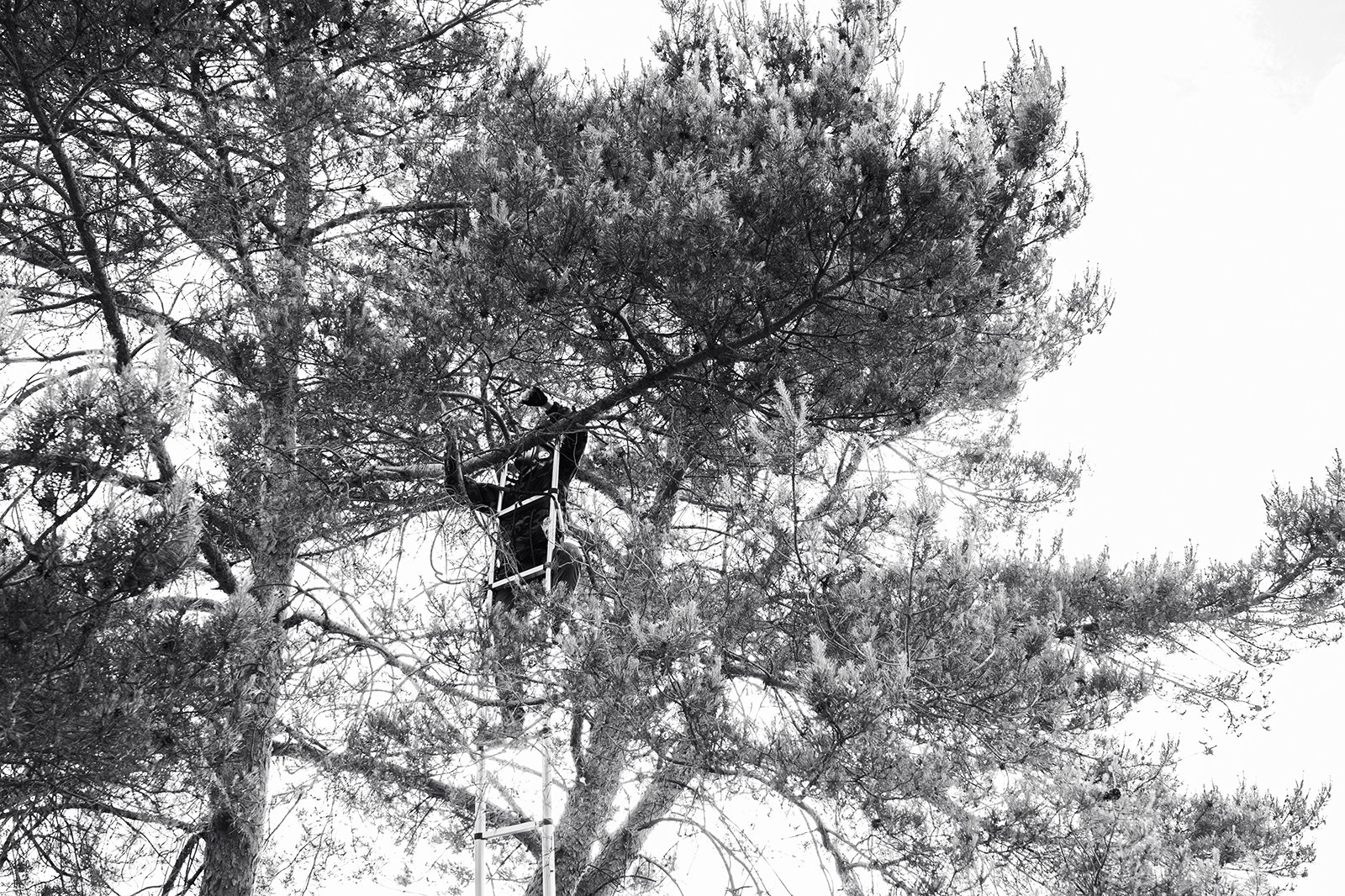
Working at height: reaching the nest is not so simple